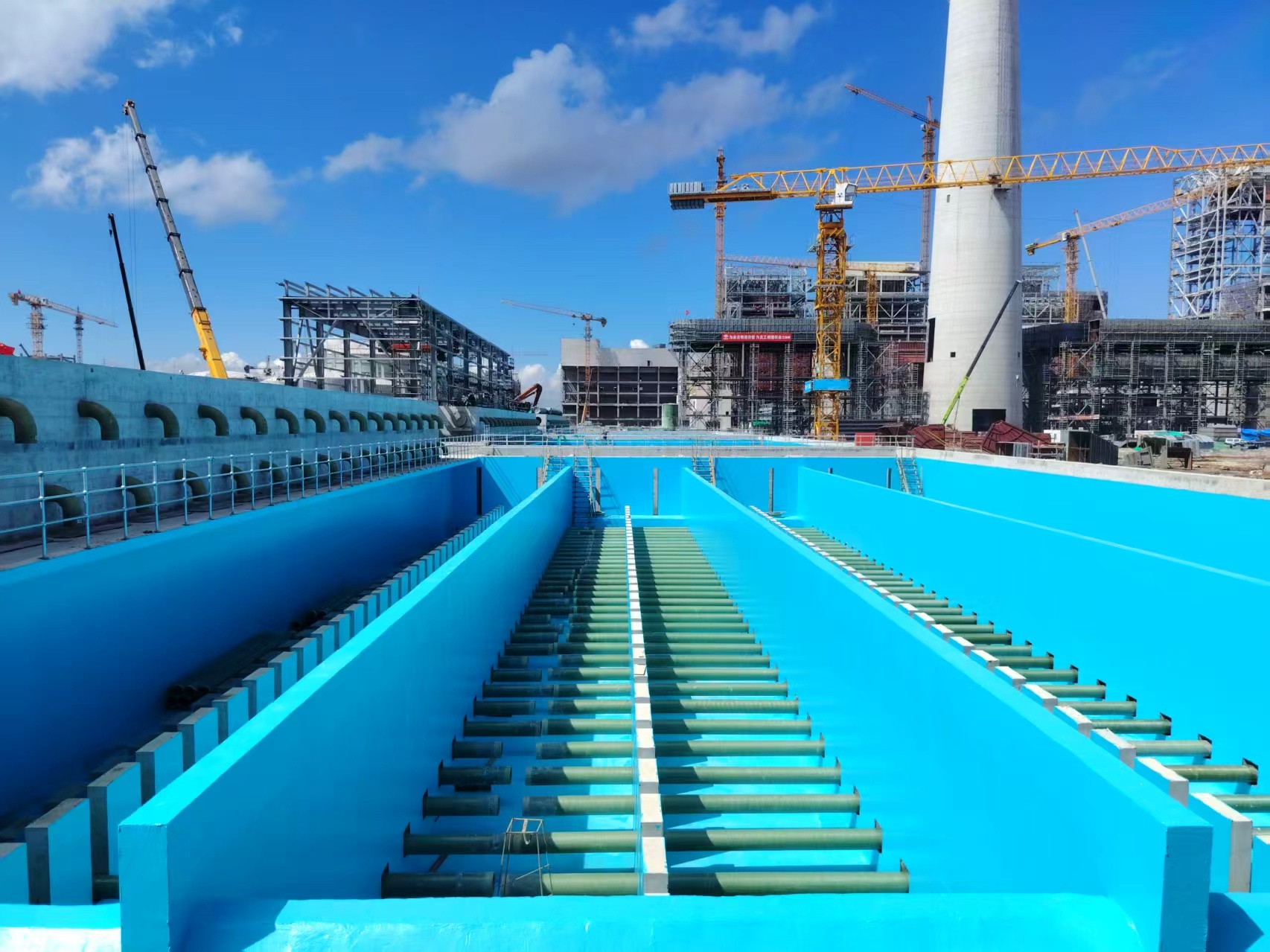

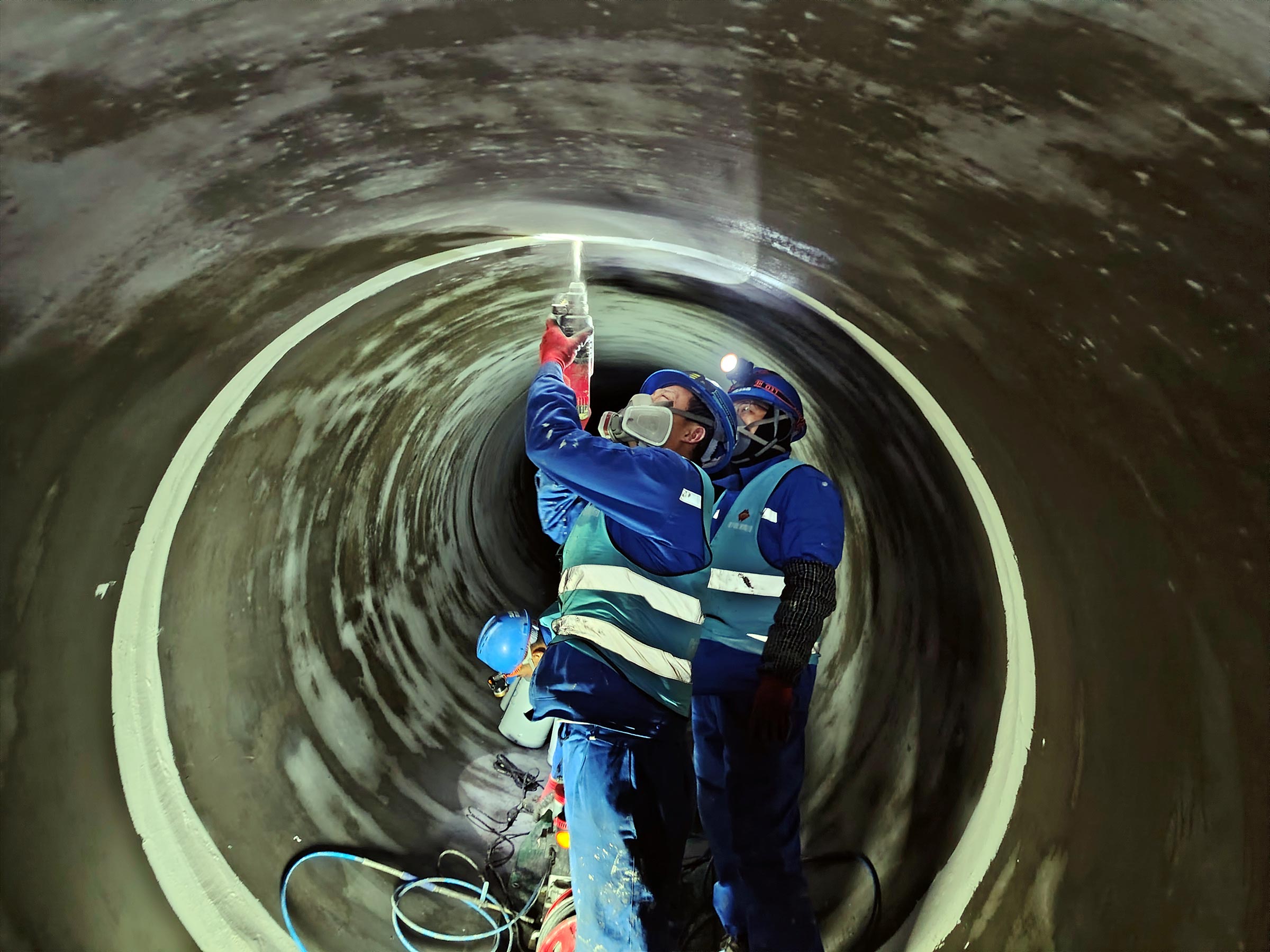
As a large and complex energy-conversion hub, a coal-fired power plant relies on the coordinated operation of major systems including fuel handling, combustion, steam-water, electrical, and flue gas treatment.
While the coal-fired process enables efficient power generation, it also creates an extremely harsh industrial corrosion environment. This corrosion is driven not only by the energy structure itself, but also runs through the full life cycle of power production.
Corrosive media in coal-fired power plant environments come from complex and diverse sources, showing typical multi-phase interactions of gas, liquid, and solids:
A large amount of acidic gases such as sulfur oxides (SOₓ) and nitrogen oxides (NOₓ) released during coal combustion can easily dissolve in moisture in humid air, forming acidic liquids such as sulfuric acid and nitric acid. These attach to metal surfaces and cause continuous chemical corrosion. This effect becomes significantly worse under high humidity or rain, leading to widespread damage to commonly used steel structures, piping, flanges, and exposed equipment.
Electrochemical corrosion triggered by solid particles is more hidden and harmful. After coal ash and dust deposit on steel surfaces, they absorb atmospheric moisture and create localized strong electrolyte environments, greatly accelerating electrochemical corrosion. More seriously, carbon particles with higher potential in coal dust can directly contact the steel substrate with lower potential, forming macro- or micro-galvanic couples and causing galvanic corrosion. This mechanism drives continuous accelerated dissolution of the steel substrate as the anode. The corrosion rate can reach several times to dozens of times that in ordinary atmospheric environments, and is especially evident at welds, bolted connections, and structural gaps.
Although flue gas desulfurization (FGD), denitrification, and dust removal systems are installed to meet environmental requirements and effectively reduce emissions, they themselves become new corrosion sources. FGD slurry often contains highly aggressive components such as chloride ions, fluoride ions, and sulfite, and related wastewater is typically low in pH and rich in corrosive media. These chemicals cause severe corrosion to metal equipment (such as absorbers, ducts, pumps, and valves), and can also penetrate concrete structures, leading to rebar corrosion and concrete cracking, thereby weakening structural durability and load-bearing capacity.
Facilities requiring corrosion protection in coal-fired power plants are widely distributed in the following key areas:
Genecoat focuses on providing professional and reliable corrosion protection solutions for coal-fired power plants. With a comprehensive product portfolio, we are able to effectively address various harsh operating conditions and meet the diverse needs of both new-build and maintenance projects.
Our products have not only passed rigorous laboratory testing, but have also been fully validated through long-term field application. Their stable performance and protection effectiveness have been highly recognized by the industry.
Our representative protective coating systems include:
1.
Protective coating systems for steel structures in atmospheric environments
2.
Protective coating systems for steel structures and pipelines in freshwater and seawater immersion and buried environments
3.
Chemical-resistant and anti-static lining coating systems
4.
High-temperature coating systems
5.
High-performance thermal insulation coating systems
6.
Cooling tower protection coating systems
7.
Protective coating systems for FGD absorbers and chimneys
8.
Protective coating systems for concrete wastewater treatment facilities
9.
Low surface-preparation coating systems that cure on rusty or damp surfaces
10.
Chemical-resistant, wear-resistant protective coating systems for concrete floors