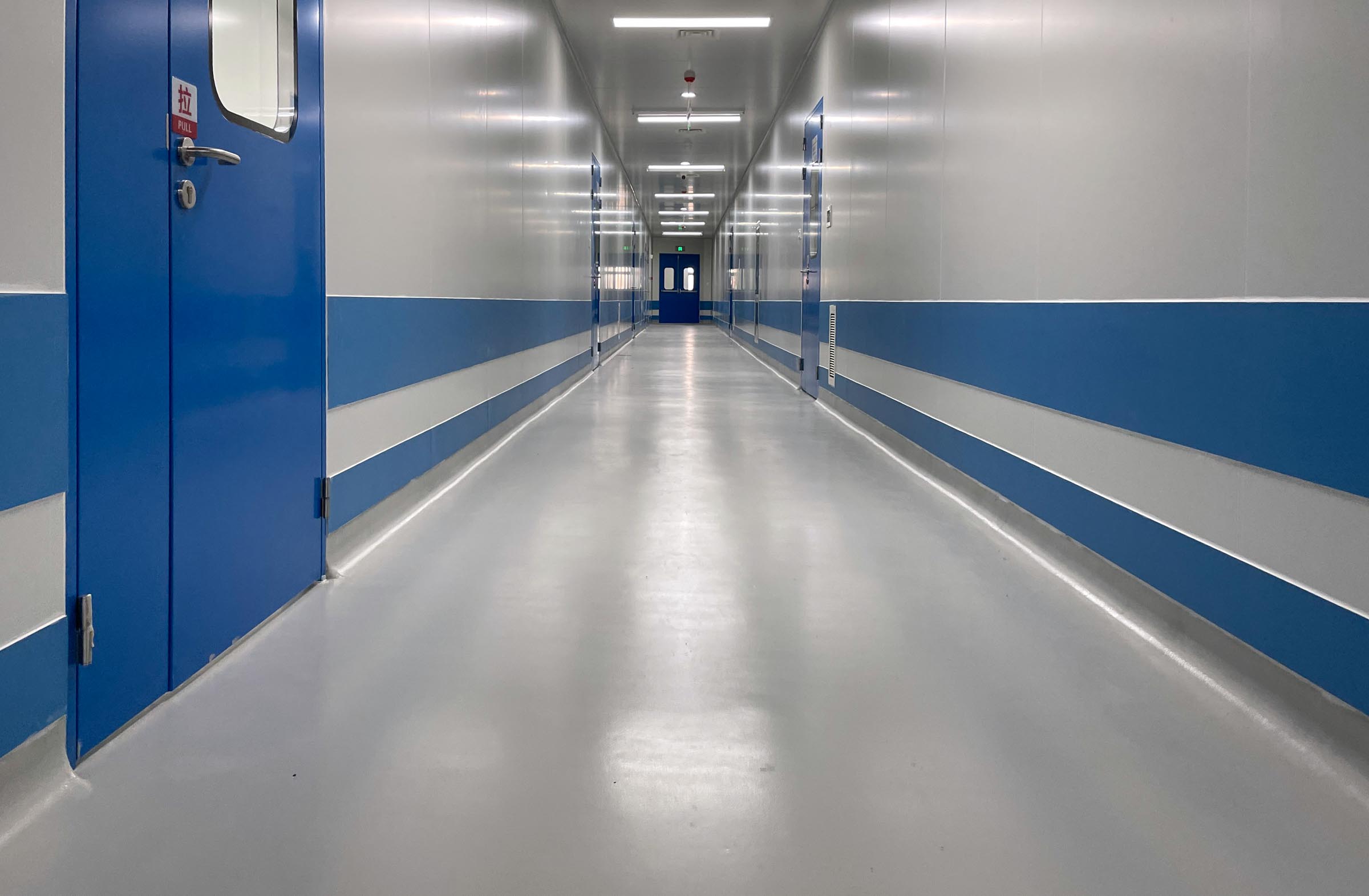
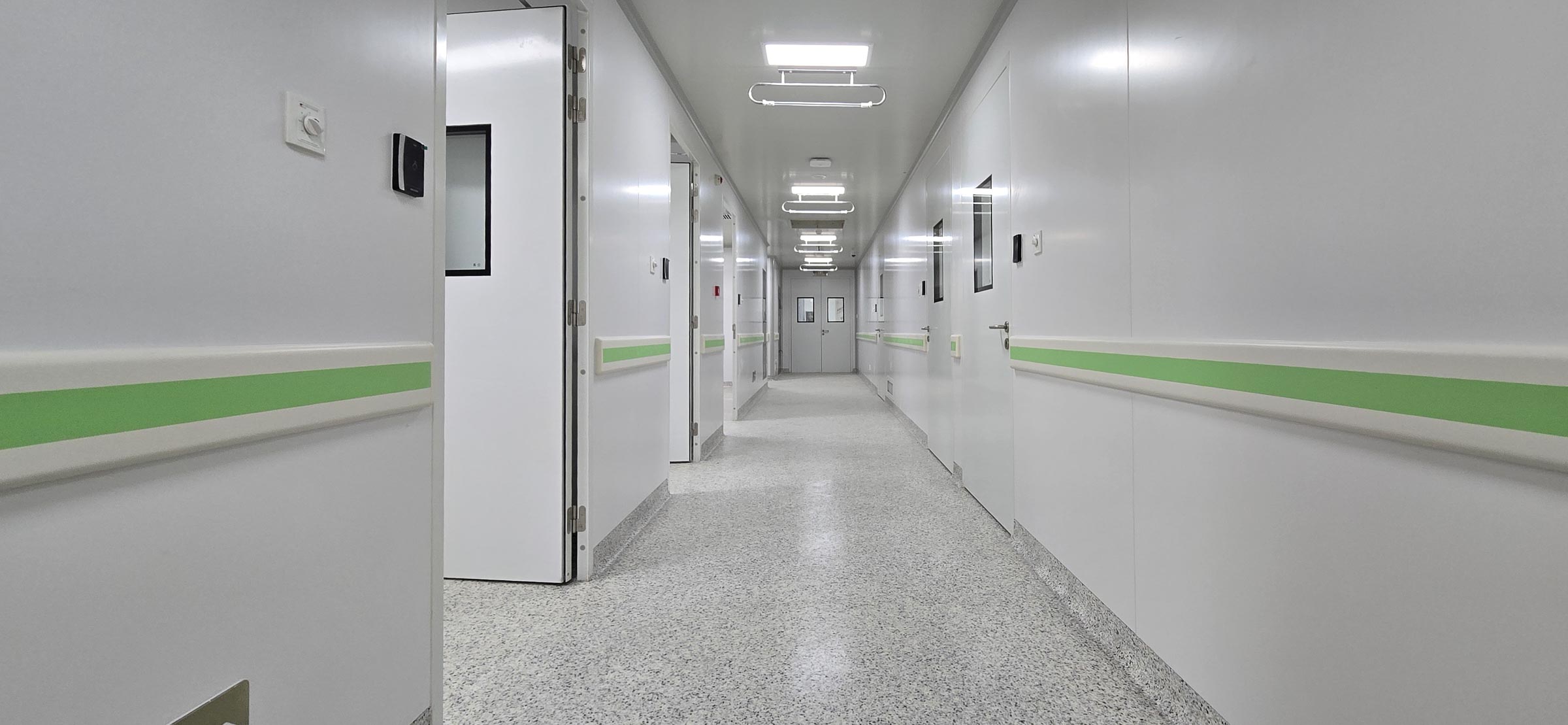
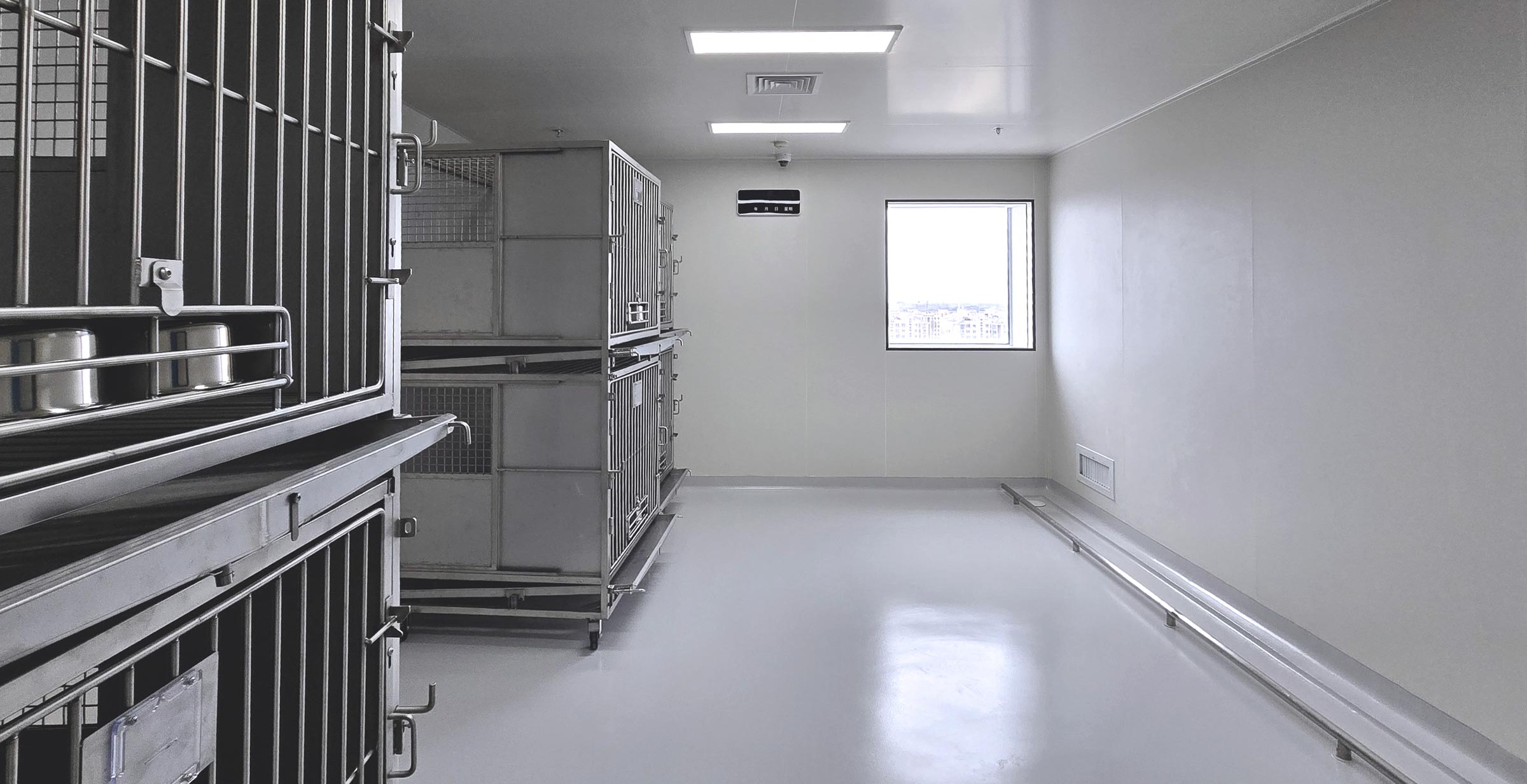
Animal laboratories support critical work such as life science research, biopharmaceutical and vaccine production, and laboratory animal breeding. They are essential infrastructure for ensuring reproducible research data, protecting animal welfare, and controlling contamination risks.
Compared with general laboratory facilities, animal laboratories face combined operating conditions including biological contamination, high-frequency cleaning and disinfection, wear from animal activity, and impact from equipment.
Once floors or walls develop cracking, dusting, leakage, or hard-to-clean dead corners, microbial growth, cross-contamination, and long maintenance shutdowns may occur. Therefore, adopting a systematic high-performance protective coating system is critical to reliable operation, ongoing compliance, and lower life-cycle costs.
From a biosafety and infection control perspective, floors and wall surfaces in animal laboratories must form continuous, dense, and impermeable protective layers to minimize contamination accumulation in pores and joints. These systems must withstand repeated exposure to highly corrosive disinfectants such as peracetic acid, hydrogen peroxide, and chlorine-based agents. In addition to chemical reagents, animal excreta, secretions, and anesthetics impose long-term demands on the coating’s chemical resistance, water resistance, and adhesion. At the same time, frequent rolling of cages and carts, movement of heavy equipment, localized impacts, and animal scratching require the coating system to offer high abrasion resistance, scratch resistance, and impact resistance, while accommodating minor substrate deformation without debonding or delamination. Safety and environmental protection are mandatory requirements for animal laboratory projects.
Floor surfaces must maintain stable slip resistance under wet conditions, typically achieved through the use of aggregates such as corundum (aluminum oxide) or textured topcoats. Fire performance is a baseline requirement and should comply with GB 8624 “Classification for Burning Behavior of Building Materials and Products.” In designated areas, protective coating systems should achieve at least Class A2 fire performance. Priority should be given to certification of the complete “primer–intermediate–topcoat system” to avoid risks where individual materials meet requirements but system performance fails after integration. Considering animal sensitivity to odors and volatile emissions, solvent-free, ultra-high-solids, and water-based coatings significantly reduce VOC emissions and minimize impacts on animal respiratory health and the experimental environment.
Based on these requirements, floor and wall protective coating systems for animal laboratories should provide the following core functions:
1.
Seamless and dense protection, eliminating microbial hiding spaces through integrated sealing of floors, walls, corners, and pipe penetrations.
2.
Broad-spectrum chemical resistance, maintaining stability under long-term exposure to acids, alkalis, disinfectants, and organic contaminants.
3.
High mechanical strength, balancing abrasion resistance, impact resistance, scratch resistance, and ease of repair.
4.
Long-term durability, easy cleaning, and stain resistance, with dense surfaces that withstand frequent wiping and washing without chalking or loss of gloss.
5.
Coordinated safety performance, including reliable slip resistance and Class A2 fire compliance.
6.
Environmental and health performance, with reduced odor and VOC emissions, and optional enhancements such as antibacterial, anti-mold, and UV-aging resistance.
7.
Use a coved skirting made of the same material at floor–wall junctions to achieve seamless transition, reduce cleaning dead corners, and improve daily cleaning and maintenance.
Typical animal laboratory protection systems are generally configured as follows:
A penetrating sealing primer combined with epoxy self-leveling layers to form a high-strength integral substrate, followed by an ultra-wear-resistant polyurethane corundum topcoat to achieve enhanced abrasion resistance and durable slip resistance.
A water-resistant leveling putty layer combined with water-based epoxy, polyurethane, or solvent-free epoxy topcoats to form dense, easy-to-clean, chemically resistant protective systems. In high-impact or high-moisture washdown areas, fiber-reinforced layers may be incorporated to improve crack resistance and impact performance.
Protective coating products suitable for various animal laboratory operating conditions include: